
Home Decor Ideas for Cheap Small Houses: Bedroom Interior Design That Feels Expensive
Tight square footage doesn't have to mean a cramped, unfinished-looking bedroom. These budget-friendly ideas use smart layout tricks, layered textures, and a few well-chosen pieces to make a small bedroom in a small house feel calm, cozy, and pulled together — without a big renovation budget.
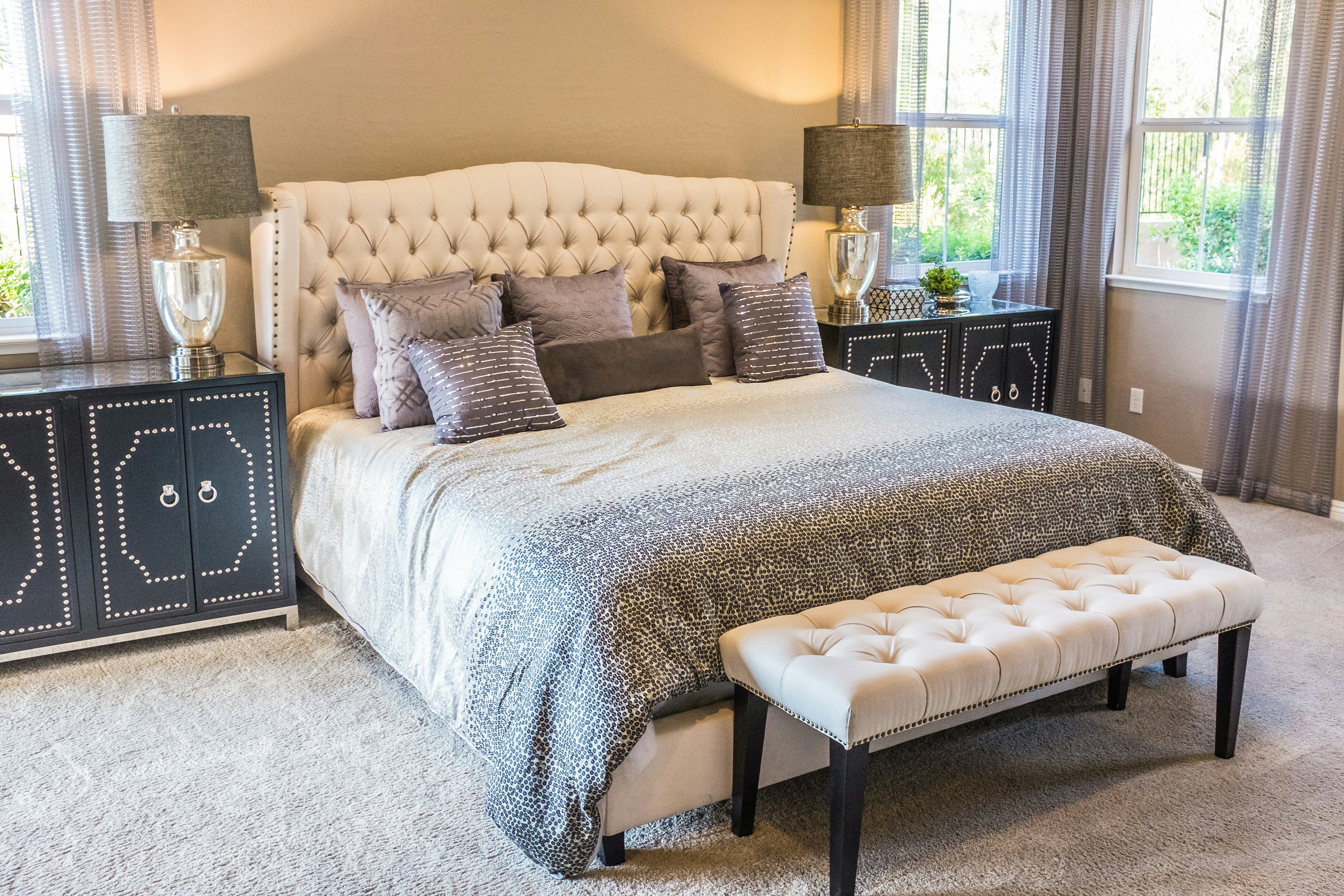
If your bedroom is small, chances are it came with a small house — one where every room has to work harder for less money and less space. The good news is that small bedrooms are actually easier to make feel finished than large ones, because you don't need much decor to fill the visual space. What you need is the right decor: pieces sized correctly, colors that open the room up, and a few smart storage moves that keep clutter from eating your square footage. Below you'll find practical, tested ideas for decorating a small bedroom on a real budget, organized so you can pick and choose what fits your space and your wallet.
Quick Design Snapshot
Why These Ideas Work in a Small Bedroom
Small bedrooms struggle with two things: visual clutter and lack of light. Every idea in this guide is chosen because it either lowers the visual "noise" in the room, tricks the eye into seeing more space, or adds warmth without taking up floor area. Instead of buying more furniture, the focus is on choosing the right scale, the right color temperature, and layering texture at eye level and above — where a small room has the most unused real estate.
Main Decor Ideas for a Cheap Small Bedroom
Choose a Low-Profile Bed Frame
A bed that sits closer to the floor makes the ceiling feel higher and the whole room feel more open, which matters enormously in a small footprint. Platform frames or even a mattress on a simple low base read as intentional and modern rather than "no furniture yet."
Why It WorksLower furniture lines keep sightlines open across the room instead of blocking them at chest height.
How to Style ItPair with a slim headboard or a leaning piece of art instead of a tall, bulky headboard.
Budget AlternativeSkip the frame entirely and use a floor-height wood pallet base or a simple metal bed frame secondhand.
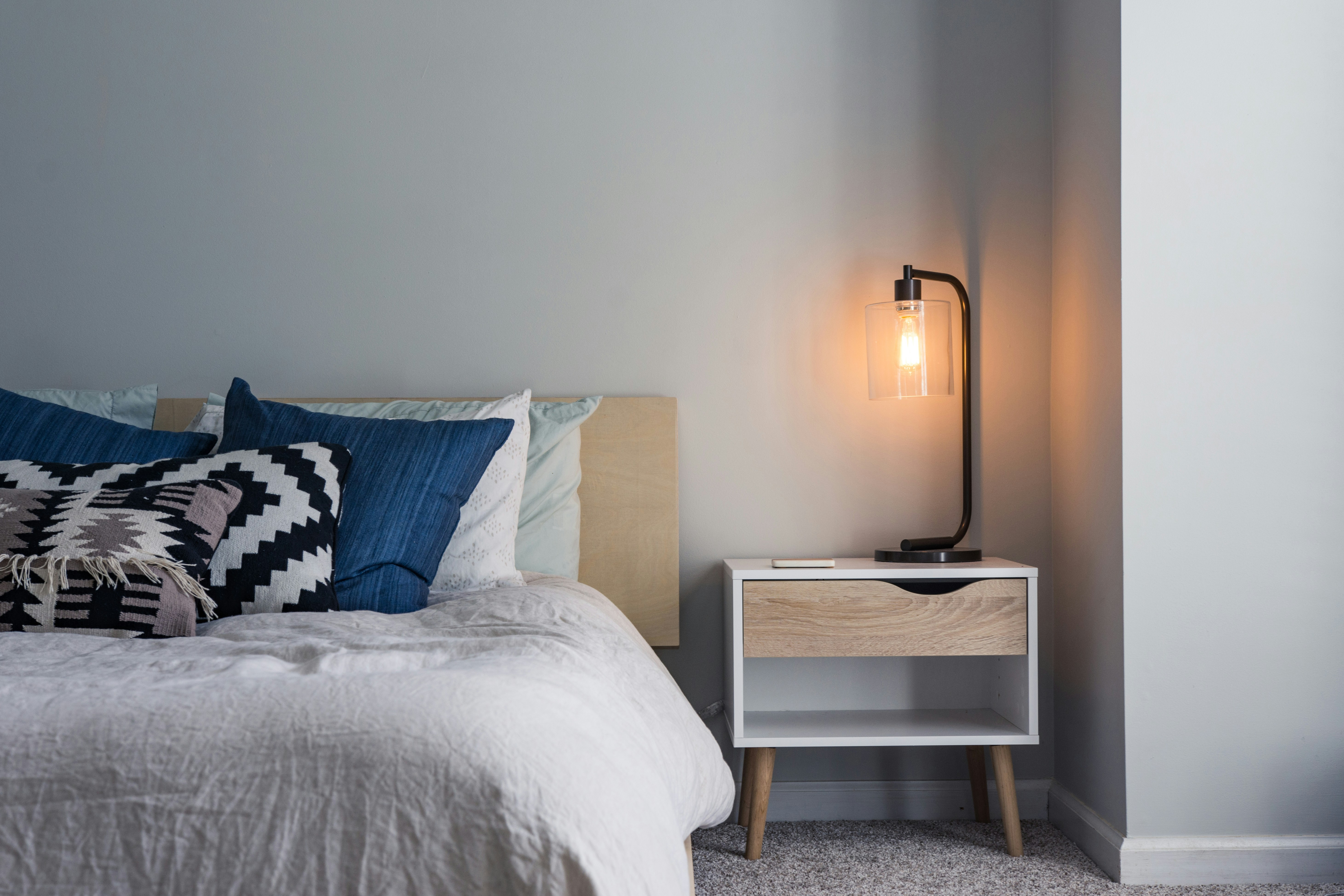
Paint (or Fake) One Soft, Light-Reflective Wall
Color is one of the cheapest tools in small-space decorating. A soft warm white or pale greige on the walls bounces available light around the room instead of absorbing it.
Why It WorksLight, warm-toned walls remove visual boundaries, making corners feel farther away.
How to Style ItUse a matte or eggshell finish to avoid glare, and keep trim a shade lighter than the walls.
Budget AlternativeRenters can use peel-and-stick wallpaper in a light tone on just the headboard wall instead of full paint.
Hang Curtains High and Wide
Mounting curtain rods a few inches above the actual window frame, and extending them past the window's edges, tricks the eye into reading the window as larger than it is.
Why It WorksHeight draws the eye upward, and width visually expands the wall the window sits on.
How to Style ItChoose lightweight, unlined linen-look panels in a color close to the wall so they blend rather than chop the room visually.
Budget AlternativeBig-box store curtain panels in a neutral tone work just as well as designer versions.
Use a Round or Oval Nightstand
Sharp-cornered furniture in a tight space can feel bulky and hazardous. A small round side table softens the room and takes up less visual weight.
Why It WorksCurved shapes create better flow in narrow walking paths beside the bed.
How to Style ItKeep the top surface to just a lamp and one small object — resist using it as extra storage.
Budget AlternativeA wicker stool or an upside-down decorative bucket can double as a nightstand for a few dollars.
Mount a Mirror Across from the Window
Placing a mirror so it reflects natural light back into the room is one of the highest-impact, lowest-cost changes you can make.
Why It WorksReflected daylight doubles the sense of brightness and depth without adding a single extra fixture.
How to Style ItChoose a simple wood or thin metal frame so the mirror doesn't compete with the wall.
Budget AlternativeThrifted mirrors are often better quality than new budget options — check secondhand shops first.
Add a Woven Rug That Stops Short of the Walls
A natural fiber rug placed under the bottom two-thirds of the bed adds warmth and texture underfoot, grounding the room without visually shrinking it.
Why It WorksLeaving a border of floor visible around the rug's edge keeps the floor plan reading as open.
How to Style ItChoose a low-pile jute or cotton weave in a neutral tone rather than a thick, dark shag.
Budget AlternativeA washable cotton flat-weave rug from a discount home store gives the same texture for far less.
Layer Two Light Sources Instead of One Overhead Bulb
A single ceiling light creates flat, harsh shadows. Adding a warm-toned lamp or two changes the entire mood of the room for the cost of a bulb and a cheap lamp.
Why It WorksLayered, low lighting reads as cozy and designed rather than utilitarian.
How to Style ItUse warm white (2700K) bulbs and place lamps at different heights — one on a nightstand, one on a dresser or shelf.
Budget AlternativeA plug-in wall sconce eliminates the need for nightstand surface space entirely.
Use Vertical Wall Storage Instead of Floor Furniture
Floating shelves above the bed or a dresser use wall space that would otherwise sit empty, freeing up the floor for walking room.
Why It WorksEvery square foot of floor left clear makes a small bedroom feel measurably bigger.
How to Style ItKeep shelf styling to three or fewer objects per shelf, varying height and shape slightly.
Budget AlternativeSimple L-bracket shelves from a hardware store, painted to match the wall, cost very little.
Choose Bedding in One Tonal Family
Matching the sheets, duvet, and pillows within a narrow color range (like ivory, oatmeal, and soft clay) makes the bed feel like a single calm shape instead of a patchwork.
Why It WorksTonal layering reads as high-end hotel styling and visually simplifies the busiest object in the room.
How to Style ItAdd texture instead of pattern — a waffle-weave blanket or a textured throw pillow.
Budget AlternativeBuy a solid, well-fitting duvet cover and dress it up with one or two thrifted textured pillows.
Use Under-Bed Storage Bins
If the bed frame allows it, slim storage bins underneath reclaim space that's usually wasted, which means one less dresser needed in the room.
Why It WorksRemoving even one piece of furniture from a small room has an outsized visual impact.
How to Style ItChoose bins in a neutral fabric with a lid rather than clear plastic, which can look cluttered.
Budget AlternativeRepurposed shoe boxes covered in leftover fabric work just as well hidden under the bed skirt.
Hang Art at Eye Level, Grouped Small
A small bedroom can't support a giant statement piece, but a cluster of three to five small framed prints creates the same visual interest at a fraction of the size and cost.
Why It WorksGrouped small art fills wall space without visually crowding the room the way one oversized piece can.
How to Style ItKeep frame colors consistent (all black, or all light wood) even if the art inside varies.
Budget AlternativePrint free vintage botanical or line-art images at home and frame them in dollar-store frames.
Add One Real or Faux Plant at Height
A trailing plant on a high shelf or hanging near the window adds life and softness without taking up any floor space.
Why It WorksGreenery at eye level or above draws attention upward, which makes ceilings feel taller.
How to Style ItChoose one plant rather than several scattered ones — restraint reads as intentional in a small room.
Budget AlternativeA realistic faux pothos requires no light and no watering, and looks convincing from normal viewing distance.
Use a Door-Mounted Organizer for Small Items
The back of the bedroom door is almost always wasted space. A fabric or wire organizer there handles accessories, shoes, or linens without adding furniture.
Why It WorksIt relocates clutter to a spot that's completely invisible when the door is closed.
How to Style ItChoose a slim, neutral-colored organizer rather than a bulky multi-pocket one.
Budget AlternativeAn over-the-door hook strip from a dollar store handles bags, robes, and scarves for a few dollars.
Swap Heavy Curtains for Sheer or Light Linen
Heavy blackout drapes can visually darken and shrink a small room even when they're open. Lighter fabric keeps the window area feeling airy.
Why It WorksLight-filtering fabric maintains brightness during the day while still adding softness to the window.
How to Style ItIf you need blackout for sleep, layer a slim blackout roller shade underneath sheer panels instead of using heavy drapes alone.
Budget AlternativeA basic tension-rod blackout shade paired with inexpensive sheer panels achieves both function and softness cheaply.
Add Texture Through Baskets, Not Boxes
Woven baskets used for storage add natural texture and warmth while hiding clutter — something plastic bins can't do visually.
Why It WorksNatural materials like rattan and seagrass add richness to a small room without adding visual heaviness.
How to Style ItUse one or two slightly different sizes stacked or placed side by side rather than a uniform matching set.
Budget AlternativeSecondhand baskets clean up well and often cost a fraction of new ones.
Styling Tips for Making It Look Designer, Not DIY
The difference between a small bedroom that looks "thrown together" and one that looks intentional usually comes down to three habits: repeating one or two accent colors throughout the room instead of scattering many, leaving at least some negative space rather than filling every surface, and keeping metal finishes (like lamp bases, hooks, and frames) consistent across the room. None of these cost extra money — they're purely about editing what you already have.
Color & Material Guide
Budget-Friendly Version
If your budget is genuinely tight this month, prioritize in this order: paint or the mirror first (biggest visual impact for the lowest cost), then lighting, then textiles like the rug and bedding, and treat wall art and extra storage as a "phase two" once you've lived with the room for a while. Shopping your own home first — moving a lamp from another room, repurposing a scarf as a table runner — often solves half the room before you spend anything.
Small-Space and Rental-Friendly Adaptations
In a rental, skip paint and lean on peel-and-stick wallpaper, tension rods, and removable hooks instead of anything that requires drilling or a landlord's approval. In an especially tiny room, resist the urge to add a full dresser — a rolling garment rack with baskets underneath can handle clothing storage while taking up a fraction of the visual footprint.
Common Mistakes to Avoid
- Buying furniture before measuring the room, resulting in pieces that block doors or walking paths.
- Using only one harsh overhead light instead of layering warmer lamp light.
- Choosing a rug that's too small or pushed all the way to the walls, which visually shrinks the floor.
- Hanging curtains at the exact width and height of the window frame instead of higher and wider.
- Filling every wall and surface, leaving no visual breathing room.
- Mixing too many accent colors instead of repeating one or two throughout.
- Choosing a bulky, tall headboard that overwhelms a low-ceilinged or small room.
Designer-Style Finishing Touches
The Principles Behind the Details
Layering: combine at least three textures (linen, wood, woven fiber) so the room doesn't feel flat.
Scale: match furniture size to the room — undersized pieces look cheap, oversized pieces feel cramped.
Repetition: repeat your accent color at least twice (a pillow and a piece of art, for example) so it reads as a choice, not an accident.
Negative Space: leave visible wall and floor around key pieces so the eye has somewhere to rest.
Room Element Comparison
| Element | Budget-Friendly Choice | Best Use |
|---|---|---|
| Bed Frame | Low platform or pallet base | Opens up vertical space |
| Lighting | Warm-toned lamp + plug-in sconce | Replaces harsh overhead light |
| Rug | Cotton flat-weave, neutral tone | Adds warmth without visual weight |
| Storage | Under-bed bins, door organizer | Frees up floor space |
| Window Treatment | Sheer linen panels, high-mounted rod | Expands perceived window size |
Before You Start Checklist
- Measure the room and mark a clear walking path
- Choose one main color direction and one accent color
- Decide where natural light enters and what it hits
- Identify one piece of furniture you can remove or downsize
- Set a realistic budget and prioritize the highest-impact items first
- Check what you already own that could be repurposed
Frequently Asked Questions
How can I decorate a small bedroom on a tight budget?
Start with paint or a mirror for light, then add layered lamp lighting and a neutral rug before spending on furniture or art.
What colors make a small bedroom look bigger?
Warm whites, soft taupes, and light greiges reflect available light and reduce visual boundaries between walls, floor, and ceiling.
Should I use a rug in a small bedroom?
Yes — a rug that stops short of the walls adds warmth and softens the floor without shrinking the visual space.
How do I make a small bedroom feel less cluttered?
Move storage vertical or under the bed, limit accent colors to one or two, and leave some negative space on shelves and walls.
What's the best bed size for a small bedroom in a small house?
A full or queen with a low-profile frame usually balances comfort and space better than a taller frame with bulky storage built in.
How can I make rental bedroom decor removable?
Use tension rods, peel-and-stick wallpaper, adhesive hooks, and plug-in lighting instead of anything requiring drilling or paint.
Do small bedrooms need less decor than large ones?
Yes — small rooms fill up visually much faster, so a few well-chosen, correctly scaled pieces work better than many small items.
Save This Home Idea
Pin this guide so you can come back to it room by room as your budget allows — small changes, done in the right order, add up to a bedroom that feels much bigger than it is.
📌 Save for LaterFinal Takeaway
A small bedroom in a small house doesn't need a renovation to feel good — it needs light-reflective color, a few correctly scaled pieces, and storage that gets clutter off the floor. Start with just one change this week, whether it's hanging the curtains higher or adding a warm lamp, and build from there.