
Single Woman Bedroom Ideas: Minimalist Apartment Style That Feels Calm, Confident, and Completely Yours
A room that belongs entirely to you deserves to feel that way. Here's how to build a minimalist bedroom that's calm, functional, and unmistakably you — even in the smallest apartment.
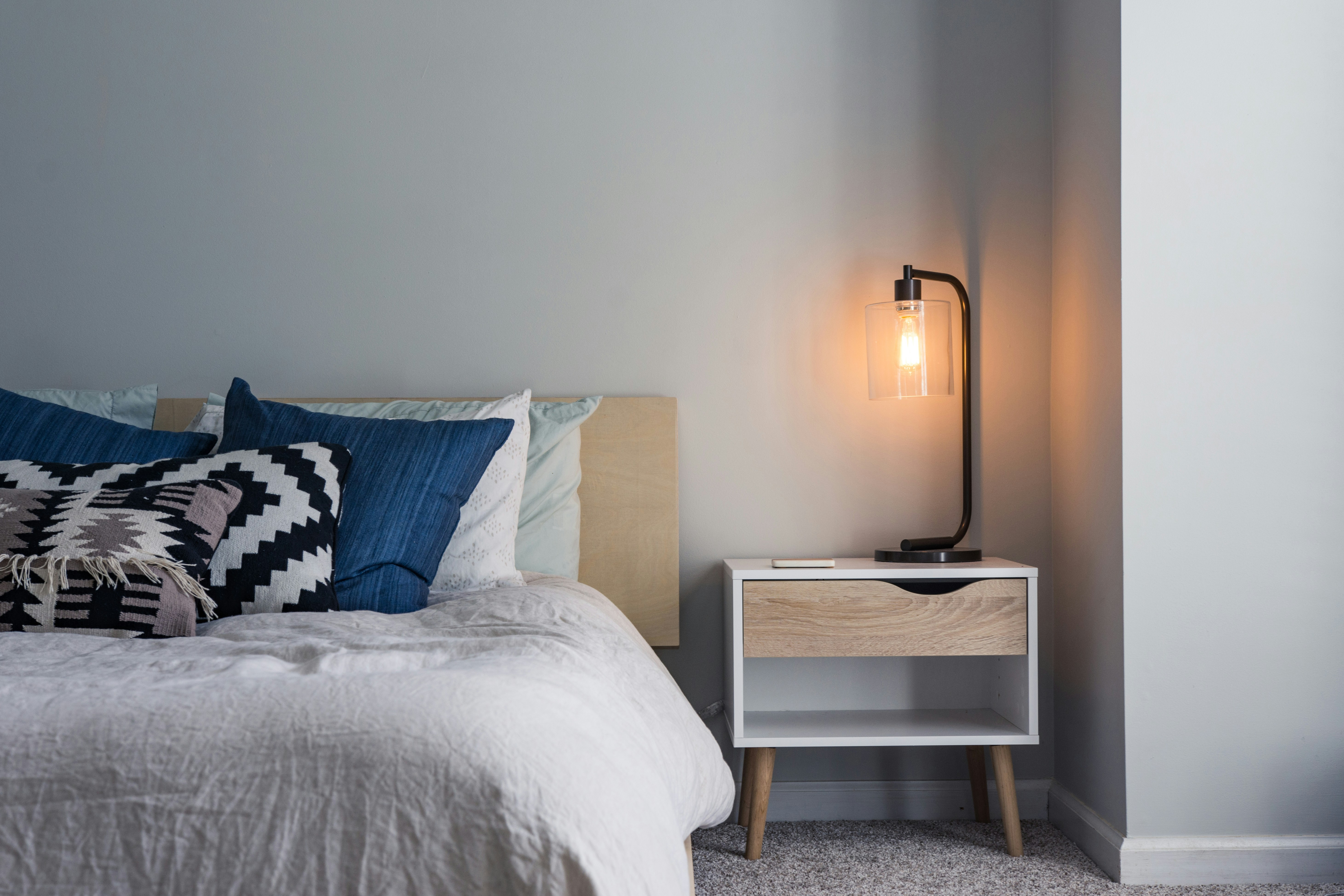
There's a specific kind of quiet that a well-designed bedroom gives you — the sense that this space, unlike so much of your day, answers to no one but you. If you're living solo in an apartment and craving a bedroom that feels grounded, uncluttered, and genuinely restful, minimalist design is one of the most forgiving and rewarding directions to take. It doesn't require a full renovation, a big budget, or giving up personality. It just asks you to be intentional.
This guide walks through practical, apartment-friendly ways to create a minimalist bedroom that supports your routine, protects your calm, and still feels warm rather than sparse. Whether you're furnishing your very first solo apartment or editing down a space that's grown cluttered over time, these ideas are built to be achievable — no permanent renovations, no designer budget required.
Quick Design Snapshot
Why Minimalist Design Works So Well for a Solo Bedroom
Minimalism isn't about emptiness — it's about removing what doesn't serve you so the things that do can actually be noticed. For a single woman managing her own space (and often her own budget), that translates into real, practical benefits: less to clean, less to maintain, less visual noise competing with your ability to unwind. A minimalist bedroom also tends to photograph beautifully and adapt easily if you move apartments often, since the look relies on a handful of well-chosen pieces rather than a fully built-out theme.
Bedroom Ideas That Actually Work
Start With an Editing Pass, Not a Shopping Trip
Before buying anything, remove everything from the room that doesn't belong to "sleep, dress, unwind." Clothes that live on chairs, old mail, miscellaneous chargers — all of it goes elsewhere. Minimalist rooms are built by subtraction first.
Anchor the Room With One Statement Textile
A textured linen duvet, a chunky knit throw, or a substantial wool rug gives a minimalist room warmth without adding visual clutter. Choose one hero textile and let everything else stay simple.
Use a Low, Simple Bed Frame
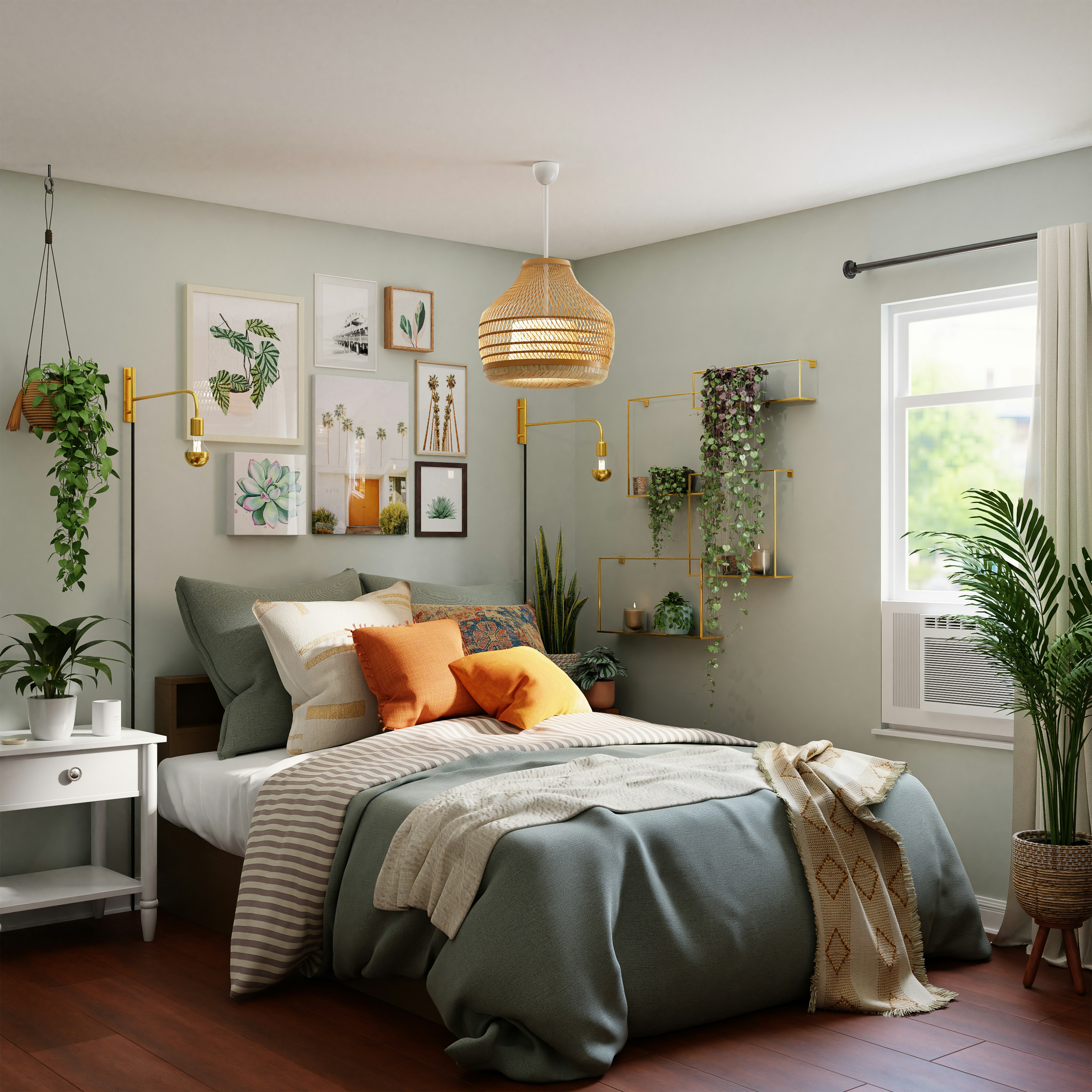
Platform or low-profile frames in natural wood or matte black instantly read as calmer and more spacious than tall, ornate frames — especially useful in an apartment bedroom with lower ceilings.
Choose One Nightstand, Not a Matching Pair
Especially against a wall or in a smaller room, one nightstand — slightly oversized so it can hold a lamp, book, and water glass — feels more curated than a symmetrical pair squeezed into a tight footprint.
Layer Lighting Instead of Relying on One Overhead Fixture
A single ceiling light tends to flatten a room and feel clinical. Add a warm-toned table lamp, and if space allows, a plug-in wall sconce or floor lamp for a soft secondary layer.
Keep Wall Décor to One Intentional Moment
Rather than a gallery wall, choose one grounding piece — a large print, a mirror, or a woven wall hanging — positioned above the bed or dresser. Let the surrounding wall breathe.
Add One Living Plant for Softness
A single well-placed plant — a snake plant, pothos, or small fiddle leaf fig — brings life and softens hard lines without cluttering the room. Skip multiple plants in a small bedroom; one is enough.
Hide Storage in Plain Sight
Under-bed storage boxes, a slim woven hamper, and a dresser with clean lines let you keep everyday items close without them being visible. Minimalism isn't about owning nothing — it's about owning things you don't have to look at constantly.
Create a Small Personal Ritual Corner
A narrow chair, a stack of books, and a small side table by the window gives you a dedicated spot for morning coffee, journaling, or winding down — something every solo bedroom benefits from.
Choose Curtains Over Blinds Where Possible
Floor-length curtains in a soft neutral fabric soften a room's hard edges and make ceilings feel taller, which is especially valuable in compact apartment bedrooms.
Let the Dresser Top Stay Almost Empty
One tray, one small object, and nothing else. An empty-feeling surface is one of the fastest ways to make an entire room read as calmer.
Bring in Warmth Through Wood Tones, Not Pattern
Instead of patterned textiles or wallpaper, let a warm wood nightstand, frame, or shelf carry the room's visual interest. Wood grain reads as rich and organic while staying in the minimalist lane.
Color & Material Guide
A minimalist bedroom for a solo apartment works best with a tight, warm neutral palette — enough variation to feel layered, restrained enough to stay calm.
Style Guide by Element
| Element | Minimalist Direction |
|---|---|
| Bedding | Linen or cotton percale, one or two neutral tones max |
| Furniture | Low profile, natural wood or matte finishes, minimal ornamentation |
| Lighting | Warm-toned bulbs, layered lamp and sconce lighting |
| Textiles | One statement texture (knit throw or wool rug), rest kept plain |
| Wall Décor | One large piece rather than a gallery arrangement |
| Storage | Concealed where possible — baskets, boxes, closed dressers |
Small-Space and Rental Adaptations
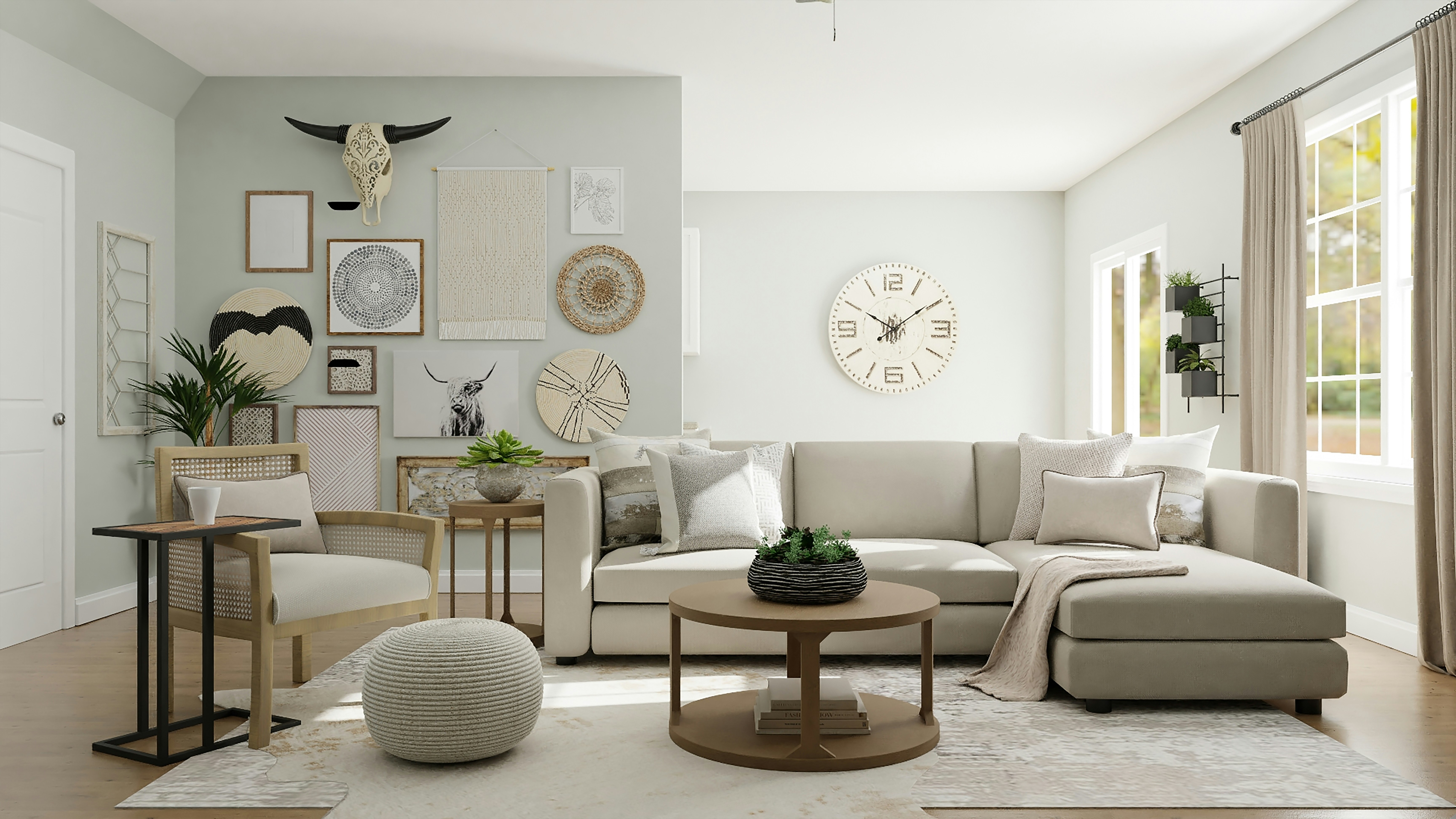
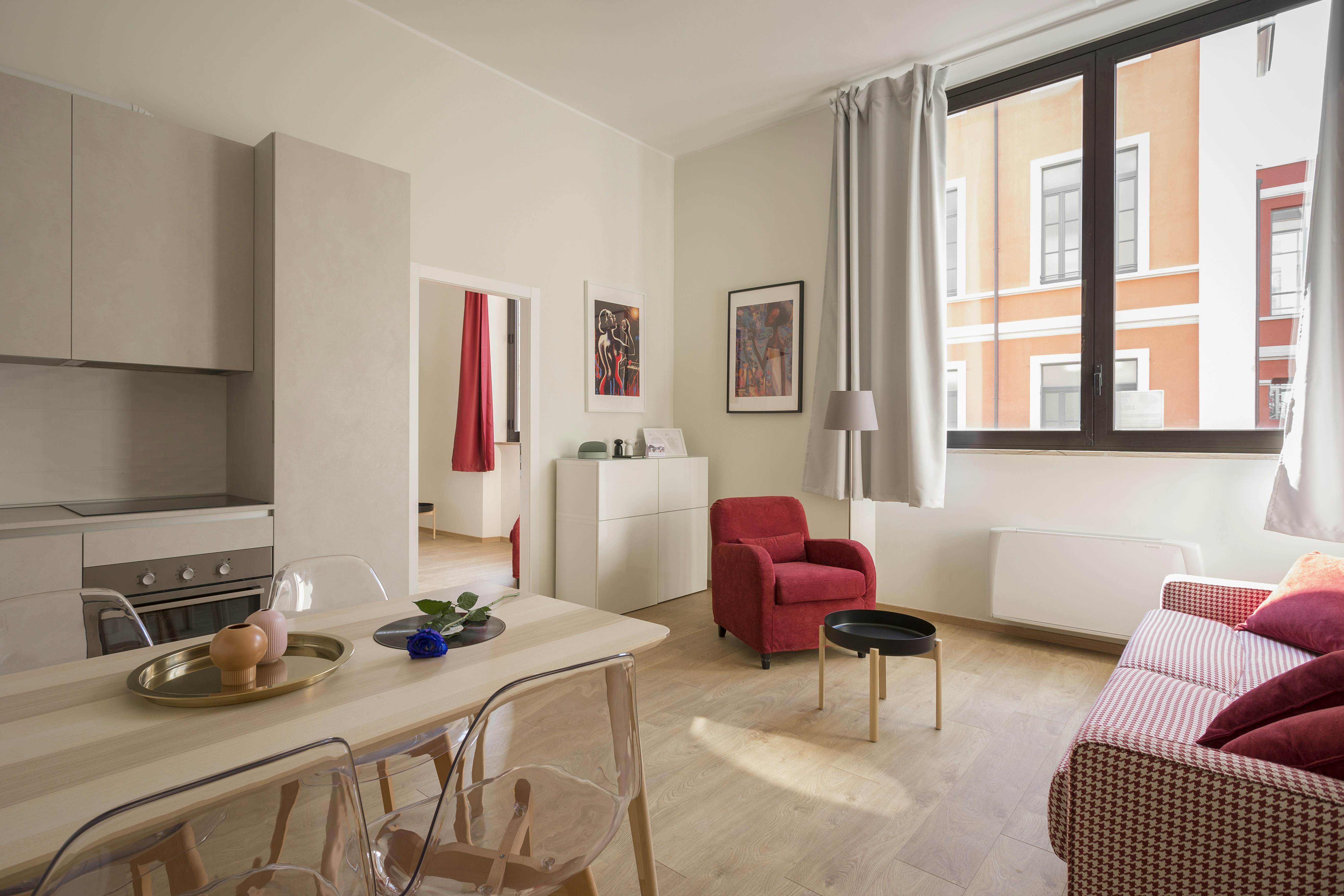
If your apartment bedroom is on the smaller side, resist the urge to fill every wall. A low bed, one nightstand, and a slim dresser is often enough — extra furniture in a tight room tends to make it feel more cramped, not more finished. For rentals, prioritize solutions that require no drilling: tension-rod curtains, adhesive hooks for light hanging décor, and plug-in lighting instead of hardwired fixtures. A large rug can also visually define the room without a single tool.
Before You Start: Quick Checklist
- Measure the room and note window and outlet placement
- Remove everything that isn't sleep, dress, or unwind related
- Choose your one statement textile before buying anything else
- Decide on a warm neutral color direction
- Check what your lease allows for hanging or mounting
- Set a realistic budget and prioritize bedding and lighting first
Budget-Friendly Approach
You don't need to buy an entirely new room to get this look. Start by shopping your own apartment first — a plain throw from another room, a lamp from a closet, a chair that just needs relocating. When you do buy new, prioritize the items that touch you most directly: bedding, pillows, and lighting, since these affect comfort daily. Furniture with clean lines can often be found secondhand at a fraction of retail cost, and a fresh coat of paint on an old dresser can make it feel entirely new.
Common Mistakes to Avoid
- Buying too much at once: Minimalist rooms are built gradually and intentionally, not filled in a single shopping trip.
- Choosing furniture that's too large: Oversized pieces overwhelm a small apartment bedroom fast.
- Skipping warmth entirely: Minimalist doesn't mean cold — texture and warm tones are essential.
- Using only overhead lighting: This flattens the room and feels institutional rather than restful.
- Ignoring storage needs: A room without enough hidden storage will clutter quickly, no matter how minimal the decor looks on day one.
- Matching everything too perfectly: A few slightly imperfect, secondhand, or mismatched pieces make the room feel lived-in rather than staged.
Designer Details Worth Knowing
A few underlying principles separate a minimalist room that feels intentional from one that feels merely empty: scale (furniture proportioned to the room, not too small or too large), negative space (empty areas left on purpose, not by accident), texture (at least one tactile layer so the room doesn't feel flat), and a single focal point (the bed, almost always, should be the visual anchor everything else supports).
Frequently Asked Questions
How do I make a minimalist bedroom feel cozy, not cold?
Focus on texture over color — a chunky knit throw, a wool rug, and warm-toned lighting do more for coziness than any amount of decor.
What's the best bed size for a small apartment bedroom?
A queen usually balances comfort and space well; in very tight rooms, a full-size bed frees up meaningful floor space without sacrificing much comfort.
How can I decorate a rental without losing my deposit?
Rely on tension rods, adhesive hooks, plug-in lighting, and freestanding furniture rather than anything that requires drilling or permanent fixtures.
How do I make the room feel more expensive on a budget?
Invest in bedding and lighting first, keep the color palette tight, and choose fewer, better-chosen pieces over many small purchases.
What colors work best for a minimalist bedroom?
Warm neutrals — ivory, sandstone, and walnut brown — paired with one soft accent tone like sage keep the room calm without feeling flat.
How much furniture does a minimalist bedroom actually need?
A bed, one nightstand, a dresser, and a lamp cover the essentials. Anything beyond that should earn its place rather than fill space by default.
Final Takeaway
A minimalist bedroom isn't about having less for its own sake — it's about making sure everything in the room is there because it earns its place. Start small: clear what doesn't belong, choose one textile to build warmth around, and layer your lighting before adding anything else. The room will start to feel like yours faster than you'd expect.
Save This Bedroom Idea
Pin this for your next apartment refresh, so it's easy to find when you're ready to start.